
Our History
Northwood Hills begins not with streets or surveyors, but with a ridge of high ground and a man who came seeking warmer air and the chance to grow something new.
1884-1920: Mangonia
In 1884, the Reverend Elbridge Gale, a retired professor of horticulture from Kansas, settled on the western shore of Lake Worth. He cleared land, built a cabin from timber salvaged along the beach, and planted an experimental grove of mangoes, the first in the United States. He named the place Mangonia.
His work helped establish South Florida as a center for tropical fruit and contributed to varieties that would become widely known, including Haden and Springfels. Many of the old mango trees still stand among the neighborhood’s yards, living links to those earliest experiments.
1920–1925 | A Neighborhood Takes Shape
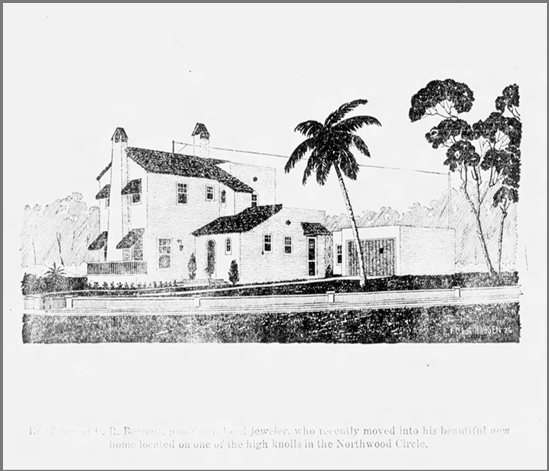
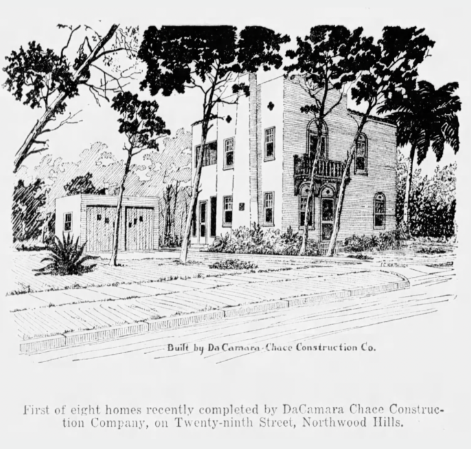
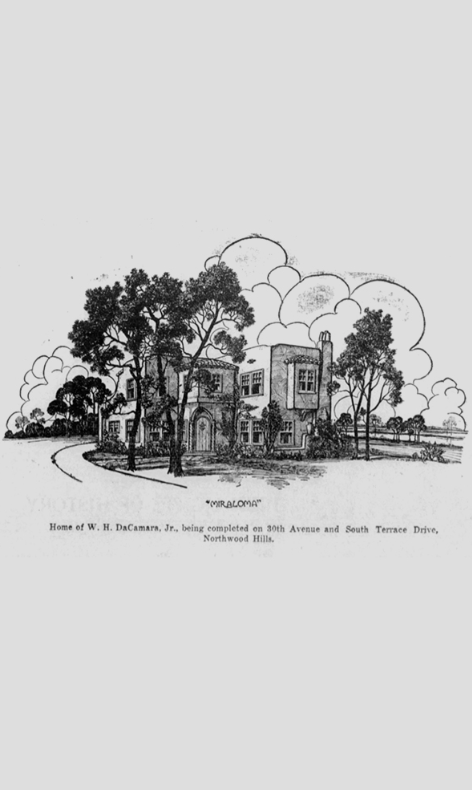
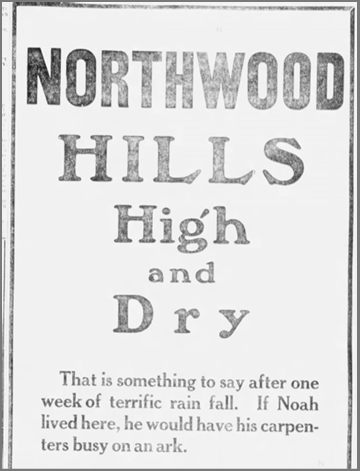
The Roaring Twenties were in full swing, and the neighborhood’s unusual topography invited ambitious architecture. Spanish Revival houses rose with towers, turrets, courtyards, and elaborate rooflines; forms that seemed to answer the hills themselves. Smaller bungalows appeared along the railroad lots as vacation homes for middle-class families. The result was never a uniform subdivision but a collection of individual statements.
1930’s-1940’s: Recovery
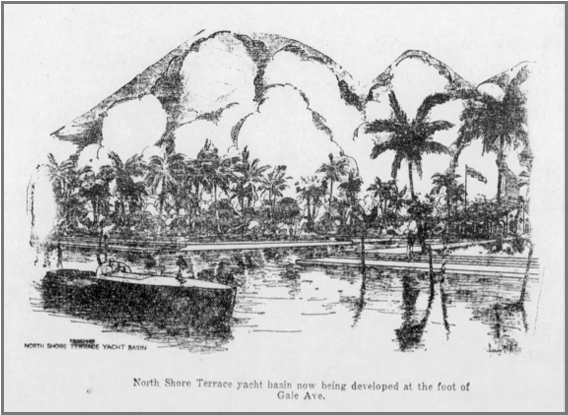
That same isolation and elevation gave the neighborhood one of its more colorful chapters. Local tradition holds that the distinctive three-story “castles” served as visual landmarks for boats bringing liquor from Cuba during Prohibition, guiding them toward the nearby yacht basin. Some early homes still contain large basements and, in one case, a secret passage between garage and cellar.
After the Second World War a new generation arrived. Veterans who had come to know the area during wartime returned with the help of the GI Bill and built modest houses that filled in the side streets. By the early 1950s architectural ideas had shifted again. Concrete-block construction, terrazzo floors, split-levels, ranches, and houses with bold, modern rooflines appeared alongside the earlier Spanish and cottage forms. Once more the topography shaped the results: many homes along the ridge turned their front porches toward the looping streets, encouraging neighborly exchange rather than retreat.
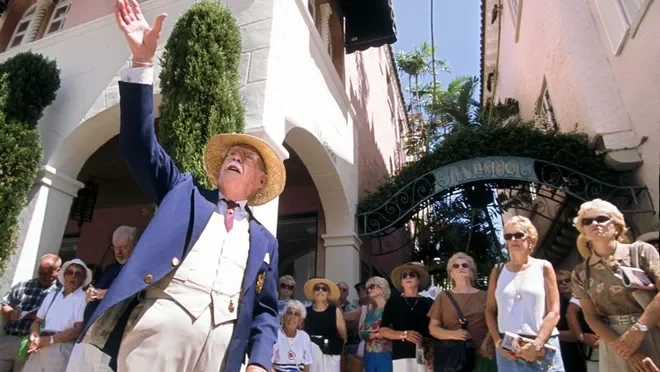
Above: Jim Ponce on one of his historical Worth Ave Walking Tours
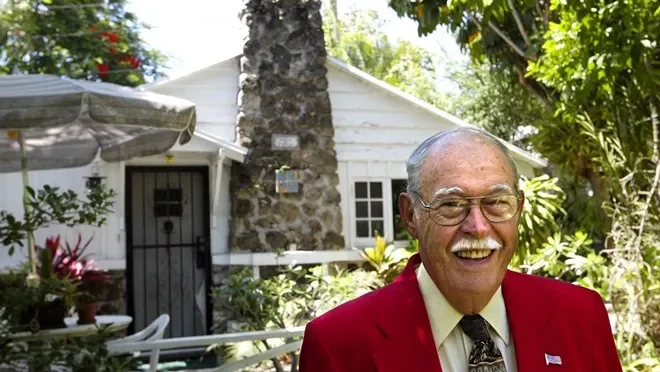
Below: Jim Ponce when neighborhood received historical designation.
For decades, the ridge remained quiet and relatively remote, its elevation offering sea breezes and long views toward the water. As West Palm Beach expanded during the Florida land boom, development began moving north.
The land passed to the Pinewood Development Corporation. Old Northwood was laid out and marketed first, followed by Northwood Hills during the boom years. But Northwood Hills looked very different from the traditional city grid developing around it
The developers worked with the natural contours of the ridge rather than imposing a conventional grid. Curving streets wound through wooded lots and around the neighborhood's high ground, establishing the distinctive loops that remain one of Northwood Hills' defining features today.
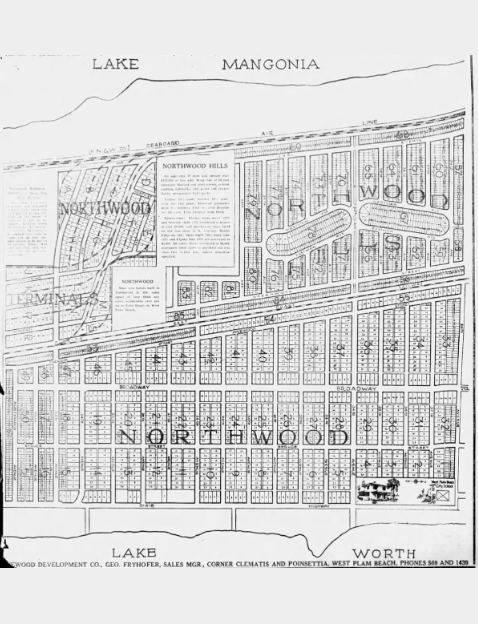
Above: An early development map showing Northwood Hills between Lake Mangonia and Lake Worth.
1925–1928 | The Boom Years
The boom did not last. The hurricanes of 1926 and 1928, followed by the Great Depression, slowed construction to a trickle. A handful of carefully built cottages appeared in the 1930s, marked by solid craftsmanship and quiet charm. The neighborhood retained its appeal among prominent West Palm Beach residents. Architect William Manly King, designer of many of the county’s early schools and public buildings, lived and worked here.
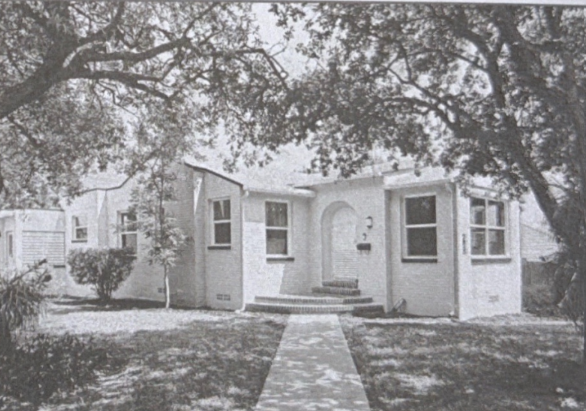
Above: Architect William Manly King designed this Northwood Hills residence for his sister-in-law and friend, photographed in 2025. Photo from: “Sunlit Arches How William Manly King Shaped South Florida” by Janet Naughton
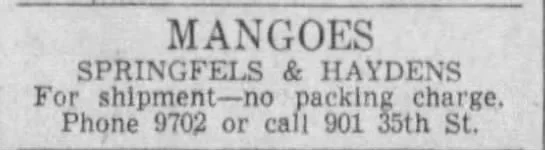
Haden and Springfels mangoes advertised for shipment from 901 35th Street, 1943.
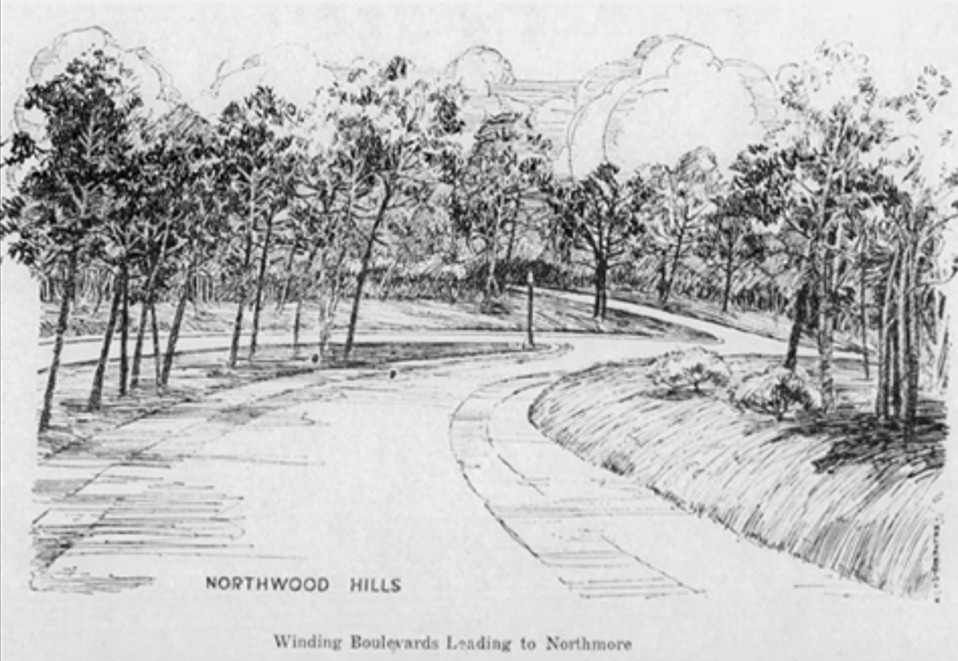
Left: “Northwood Hills — High and Dry” advertisement
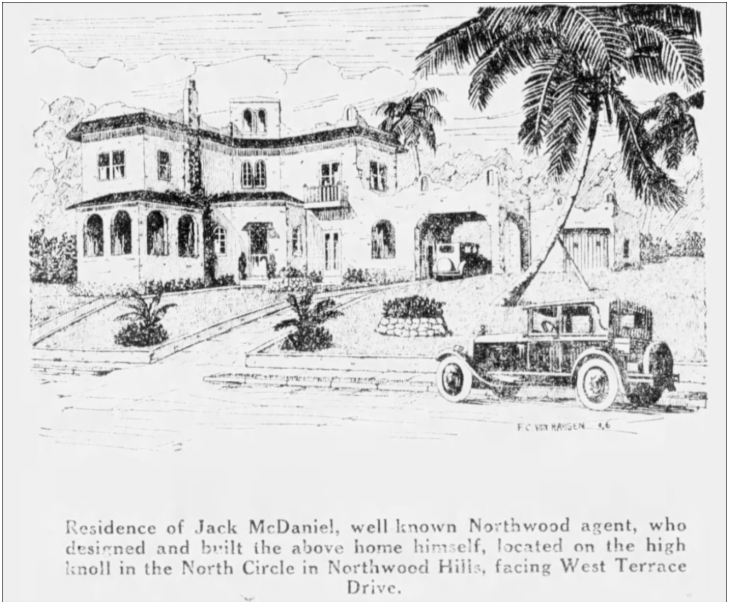
Left: The wooded landscape, winding boulevards and elevated terrain were defining features of the development.
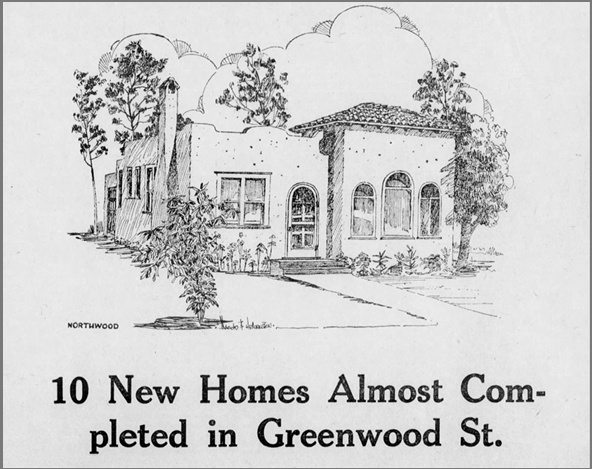
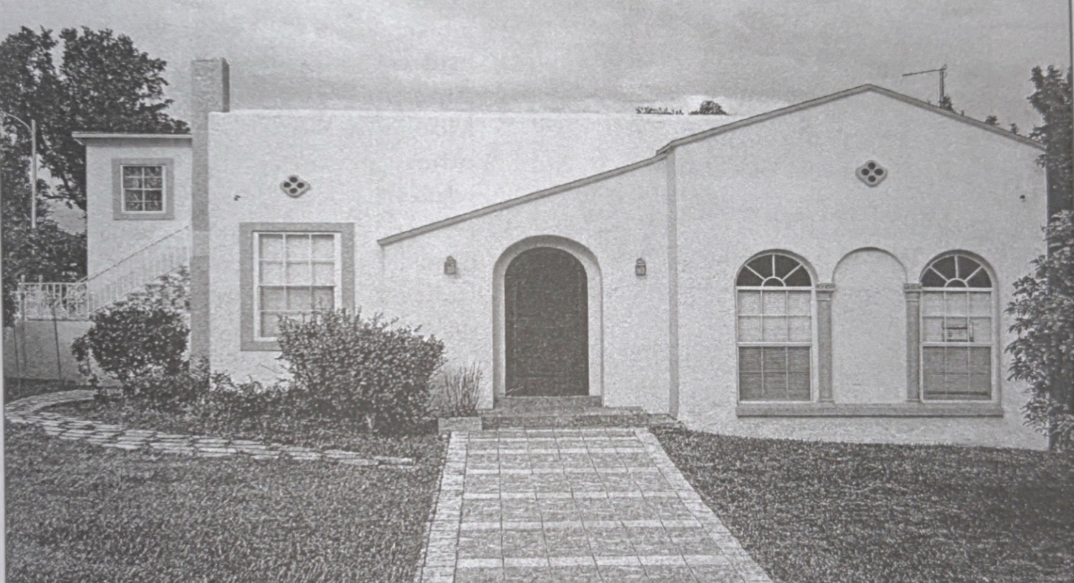
Above: Architect William Manly King’s Northwood Hills residence, photographed in 2007. Photo from: “Sunlit Arches How William Manly King Shaped South Florida” by Janet Naughton
1950’s: Postwar
In time the city grew around the neighborhood that had once stood apart. Residents recognized that the things that make this place special could be lost without deliberate protection. In 2003 Northwood Hills received historic designation, safeguarding its architecture and character. Later recognitions followed: the great Banyan on Westview Avenue was itself designated historic, and 36th Street became Jim Ponce Way in honor of our longtime neighbor whose immense knowledge of local history was shared for decades during his famous walking tours.
2000’s: Historic Designation
Today the neighborhood’s story is visible in layers; the surviving mango trees of Mangonia, the Spanish Revival houses of the boom years, the Depression-era cottages, the postwar homes, and the mid-century experiments that followed. Northwood Hills was never built from a single plan. It grew through successive visions of what a Florida home and community could be. More than a century after its platting, that layered past is not merely preserved; it is still lived, one ordinary day at a time, on the same ridge that first drew a horticulturist looking for fruit and a future.